导语
随着“一带一路”倡议持续深化,中亚地区作为联通亚欧的关键枢纽,其投资价值与合作潜力日益凸显。乌兹别克斯坦作为中亚核心经济体,近年来通过货币自由化、简化外资审批、优化营商环境等系列改革,逐步成为国际资本关注的焦点——尤其是在基础设施建设领域,该国交通路网升级、能源设施改造、城市基建扩容等需求迫切,为境外投资者提供了广阔的市场空间与合作机遇。
为精准响应企业赴乌投资基建行业的法律服务需求,帮助客户有效规避法律风险、明晰合规路径,湖北维思德律师事务所基于对乌兹别克斯坦境外投资法律体系的深度调研,结合当地基建领域政策导向与实务操作要点,特撰写“乌兹别克斯坦境外投资指南”系列文章。本系列将分期发布,系统梳理乌兹别克斯坦政治环境、外商投资政策、外商税收、企业类型选择、劳动用工、签证、行业资质准入等核心法律议题,为企业制定投资策略、推进项目落地提供专业法律参考。
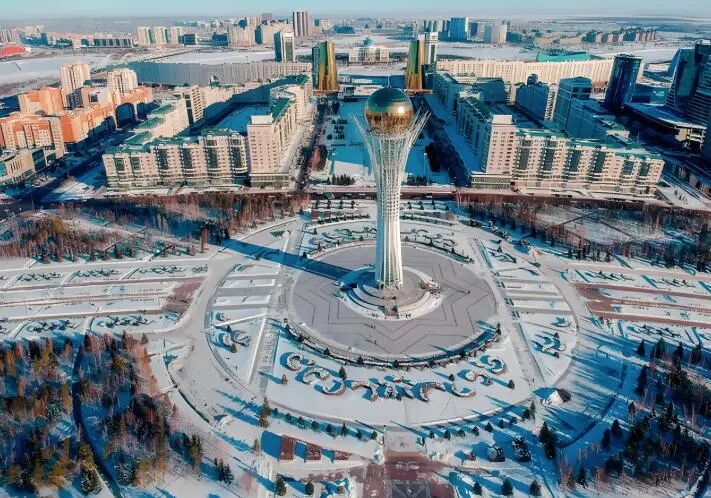
图片来源于网络
自苏联时代的历史沿革与社会概况
乌兹别克斯坦位于中亚腹地,被哈萨克斯坦、吉尔吉斯斯坦、塔吉克斯坦、土库曼斯坦和阿富汗环抱于中央,是世界上仅有的两个“双重内陆国”之一。今天的乌兹别克斯坦,面积44.9万平方公里,仅占中亚的11.2%,但人口达到3736万,占中亚总人口的46.8%。究其原因,在于乌国坐拥“中亚粮仓”费尔干纳盆地,加之良好的资源禀赋,千年来一直都是中亚的人口、经济、文化、贸易中心。在苏联时期,乌兹别克斯坦是GDP仅次于俄罗斯、乌克兰和哈萨克斯坦的第四大经济体。现代乌兹别克斯坦的民族国家意识、国家疆界、政治制度和经济形态均成型于苏联时期,并影响乌兹别克斯坦至今。
1.1
苏联时期
早在苏联建立之初,为增强对新国家身份的认同,促进各民族团结一致,莫斯科对中亚各国的泛突厥民族主义思想采取了高压政策。在后来的肃反运动中,以乌兹别克斯坦苏维埃共和国人民委员会主席霍贾耶夫为代表的一批优秀乌兹别克共产党人被罗织民族分裂主义罪名处死。在此之前进行的,还有莫斯科无视客观自然条件与人文风土,故意为中亚五国划定不合理边界,给各国独立生存增添障碍。将大量中亚五国民众迁往远东与西伯利亚的同时,将大量俄罗斯族人口迁入中亚五国填补空缺。又由于苏联实行高度集中的计划经济体制,中亚各国被要求摒弃多样化,进行农业大生产。乌兹别克斯坦因其得天独厚的水热条件,专注于棉花种植,导致其经济出产与结构单一。而棉花生产需要大量灌溉,乌国不得不大量修建引水工程,严重浪费本就缺乏的水资源。地表水不够用便只能调用地下水,导致水源污染,盐碱地大幅增多。乌国最大的湖泊——咸海的水域面积急速衰退。1979年,苏联入侵阿富汗。乌兹别克斯坦成为对阿作战前线,阿富汗境内的反苏势力与恐怖主义势力也趁机渗透进乌国,社会秩序开始动荡。
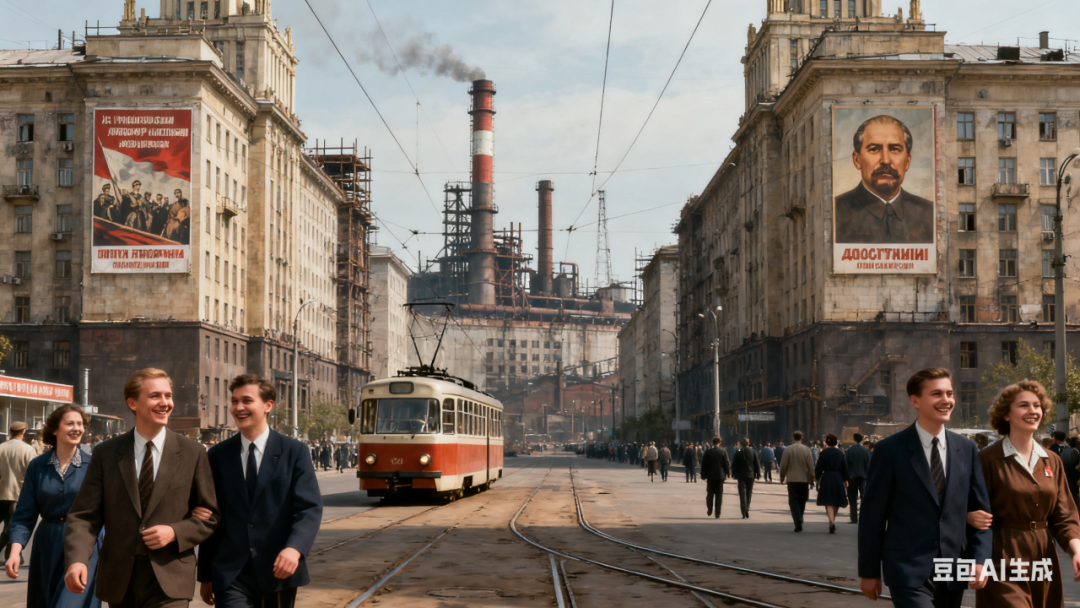
到了1989年,苏联长期积累的问题与社会矛盾已经积重难返,戈尔巴乔夫激进的改革措施不仅没有解决问题,反而使整个国家上下濒临崩溃边缘。为了尽快恢复国家秩序,苏共中央强势介入,在乌兹别克斯坦任命卡里莫夫出任共和国第一书记。这一任命一是看中卡里莫夫的工作能力与品行,二是因为卡里莫夫相对年轻,没有派系、没有背景,便于掌控。早年的卡里莫夫,父母死于卫国战争期间,自己在孤儿院长大,靠着工作成绩和群众基础,从一个技术官僚一步步被提拔到乌兹别克斯坦部长会议副主席的位置。当1991年苏联解体时,卡里莫夫顺理成章地成为乌兹别克斯坦独立后的第一任总统。
图片来源于豆包AI
1.2
独立后卡里莫夫主政时期
在卡里莫夫执政的15年里,苏联时期的遗留问题被最大程度上地管控。乌国自独立以来,在中亚五国中相对稳定的政治环境得益于卡里莫夫的种种措施。在民族和宗教问题上,卡里莫夫多次表现穆斯林的虔诚,但强力打击任何伊斯兰极端主义思想;同时和泛突厥主义运动划清界限,只在语言、文化上承认与其他突厥语系国家的亲切关系,坚决避免在政治、军事、外交方面打造集团与圈子。在维护政治与社会稳定上,卡里莫夫立法限制反对党的活动,严格管控非政府组织的运行,利用苏联时代留下的强力机关镇压不安定因素。长期以来,乌兹别克斯坦政坛存在撒马尔罕和塔什干—费尔干纳两大派系。虽然卡里莫夫出身撒马尔罕派系,但他超越派系思考,在派系之间维护平衡,使乌兹别克斯坦国内政局长期平稳,与独立初期爆发严重内乱的塔吉克斯坦与吉尔吉斯斯坦两大邻国形成鲜明对比。
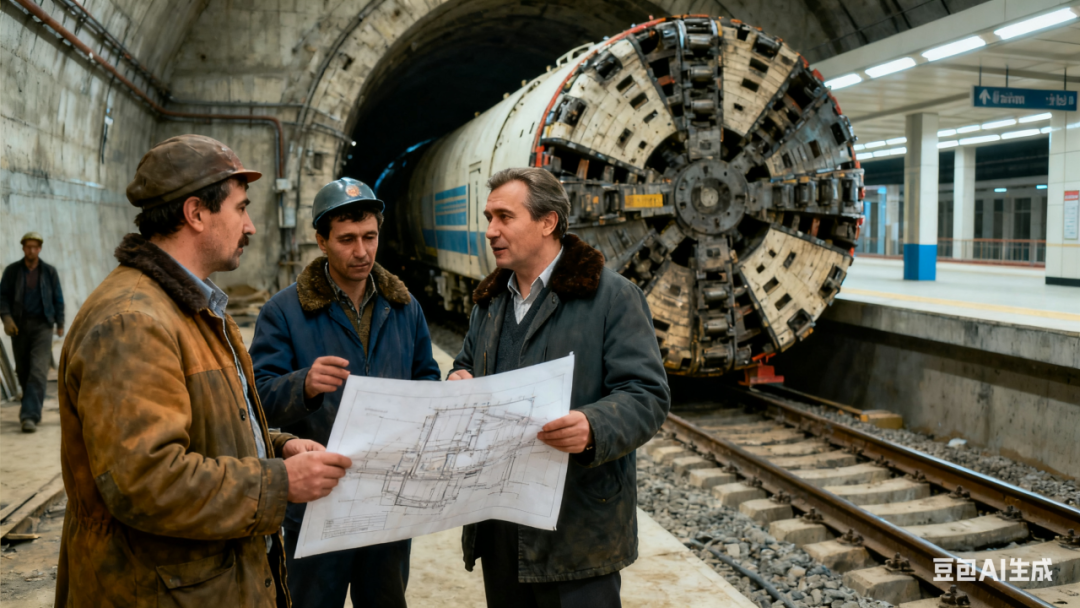
在经济上,独立后的乌兹别克斯坦没有像许多其他前苏联加盟共和国一样搞“休克疗法”,而是采取渐进式改革。国家的经济秩序与市场秩序也未出现像俄罗斯等国剧烈震动,甚至崩溃的现象。但与此同时,乌兹别克斯坦也面临着属于自己的问题。首先,乌国人口多、底子薄,无法仅凭一两个厂或一两个产业养活所有人并实现经济稳步发展。其次,乌国深处内陆,建立出口导向型经济有着天然劣势,周围的邻国经济发展水平相当有限,市场也相当有限,无法为乌国提供足够广大的经济腹地。再次,乌兹别克斯坦被苏联时期划分的边界掣肘。作为中亚的农业中心和人口中心,中亚最重要的两条河流,阿姆河和锡尔河由乌国独享的河段竟不到两河总里程的10%,且上游分别被塔吉克斯坦和吉尔吉斯斯坦控制。在此诸多不利条件的影响下,独立初期的乌兹别克斯坦采取了统制经济体制,国民经济支柱依旧是“黄金、白金、黑金、蓝金”这“四金”,即黄金、棉花、石油、天然气。另外,作为前苏联国家,乌国国民受教育程度相对较高,人力资源丰富,故平均每年有300万到500万乌兹别克人在海外打工赚取外汇。侨汇也因此成为国民经济的重要来源。
图片来源于豆包AI
在对外交往上,卡里莫夫时期的乌兹别克斯坦采取相对保守的政策,不与任何大国保持紧密关系,与邻国的关系大多数时间也颇为紧张,对各种国际组织的参与也兴趣寥寥。原因在于当时中亚安全环境与地缘关系十分脆弱微妙。独立初期的乌兹别克斯坦饱受恐怖主义活动和犯罪问题困扰。
早在苏联时期,中亚各国就形成了打着反对民族压迫与俄罗斯化的旗号,行宗教民族主义之实的极端势力。1999年,极端势力以6枚汽车炸弹袭击首都塔什干的政府大楼,造成16人死亡,120受伤。2005年则爆发了安集延事件,武装分子进攻安集延监狱,释放大量被关押的恐怖分子。安集延潜伏的外国势力代理人以此为契机,成功煽动出一场街头政治事件。镇暴行动演化成要求总统下台的颜色革命。卡里莫夫亲赴安集延处置,铁腕镇压,在24小时内平息事态,但整个事件酿成169人死亡。
乌兹别克斯坦作为中亚的制造业中心,城市化程度高,大量人口脱离农村进入城市,在历史大变革期间沦为不法分子。乌兹别克斯坦就此又成为了中亚犯罪中心。犯罪分子高度组织化,其主要运作方式就是深度参与毒品犯罪。因为乌兹别克斯坦与当时世界上毒品产量最大的国家阿富汗接壤,这反而成为乌国犯罪集团得天独厚的“优势”。政府对犯罪集团重拳出击,其中一些组织借机提出接受“招安”,摇身一变成了政府的白手套,帮助政府打击其他犯罪集团,吞并对手产业,反而还获得了发展。2016年卡里莫夫去世后,大量犯罪集团故态复萌,恢复了活动。

图片来源于豆包AI
1.3
米尔济约耶夫执政新时期
2016年执掌乌兹别克斯坦15年的卡里莫夫去世。时任政府总理米尔济约耶夫在撒马尔罕派的支持下成功继任总统。时过境迁,许多老问题要用新思路解决。米尔济约耶夫主政后采取更加开明、开放的外交方针,积极和周边存在摩擦的国家沟通,寻找和解方案。上台仅头十个月,米尔济约耶夫就两次访问中国、两次访问俄罗斯、两次访问美国。明确传达了乌兹别克斯坦走出自我封闭、拥抱世界的信息。
在内政方面,改革与开放成为米尔济约耶夫施政的核心关键词。政府机构进行了冗员裁撤,各部委进行了优化重组。人们在刻板印象中对于前苏联僵化、低效的官僚主义作风在一定程度上得到改善。为了吸引国内外投资,新的保障财产权与投资者合法权益的法律法规陆续出台并实施,以期营造更好的营商环境。针对乌兹别克斯坦长期以来产业结构失衡、地区之间发展差距大等问题,新政府也有相应的政策颁布。如鼓励在乌建立工业生产型企业,利用国内资源发展进口替代生产,减少相关产品进口;降低对外部市场的依赖度;引进外资及先进工艺,提高产品质量、科技含量和附加值,增强本国产品竞争力,生产出口导向产品,鼓励本国产品出口以改善国际收支;鼓励小企业和私企发展,以解决就业、改善民生等等。过去5年,乌兹别克斯坦年均经济增长率达到6%左右。2023年9月,乌兹别克斯坦颁布了《乌兹别克斯坦——2023战略》,是米尔济约耶夫第三个总统任期施政目标性、纲领性文件,涵盖人力资源、国民经济、公民社会、正义法治、国家安全等五大领域共100个发展目标。乌在经济领域的发展目标为:到2030年国内生产总值翻一番,达到1600亿美元,人均GDP达到4000美元,进入“中高收入”国家行列;确保宏观经济稳定,国内生产总值年平均增长6%-7%,年通胀率控制在5%-6%范围内;充分挖掘工业潜力,将工业附加值增加到450亿美元,并创造250万个高薪工作岗位;提高投资吸引力,到2030年吸引投资2500亿美元,其中外国直接投资1100亿美元,公私合营投资400亿美元;大力发展绿色经济,大幅提高可再生能源使用率,将可再生能源发电占比提高至40%;进一步提高国家出口潜力,大幅提升高附加值产品出口比重,到2030年出口额翻一番,达到450亿美元;发展市场经济,扩大私营部门比重,到2030年,将私营部门在经济中的比重增加到85%。在新战略的引领下,乌兹别克斯坦未来的发展值得期待。

图片来源于豆包AI
政治环境与对华关系
2.1
概述
如前文所述,乌兹别克斯坦长期以来都是中亚政局最稳定的国家。领导人在接受全国政局时已经拥有长期经验,政治思想、政治手段成熟稳健。同时得益于现任领导人的开明包容政策,乌国国内政治结构比较稳定、政治氛围相对和谐。2023年,乌兹别克斯坦修改宪法,将总统任期由原来的5年改回最早的7年。同年提前进行的大选中,时任总统米尔济约耶夫获得87%的选票,开启了第三个总统任期。也是在2023年,米尔济约耶夫推出了《乌兹别克斯坦——2023战略》,擘画未来七年的经济发展愿景。由此可以预见,乌兹别克斯坦的政局、政策将保持较强的稳定性、连贯性与可预测性。
中乌于1992年1月2日建交以来,中乌关系稳步发展,交往水平不断提高。前任总统卡里莫夫执政后期积极开展与中国交往,并于2012年访华期间将双边关系提升为战略伙伴关系。2015年卡里莫夫来华出席中国人民抗日战争暨世界反法西斯战争胜利70周年纪念活动。2016年,现任总统米尔济约耶夫上台后,中乌关系更进一步。2024年,国家主席习近平会见来华国事访问的乌兹别克斯坦总统米尔济约耶夫。两国元首宣布,中乌决定发展新时代全天候全面战略伙伴关系,在更高起点上推动构建中乌命运共同体,将两国关系定位提到空前高度。中乌关系超越中哈“永久全面战略伙伴关系”的定位,在中亚独树一帜。
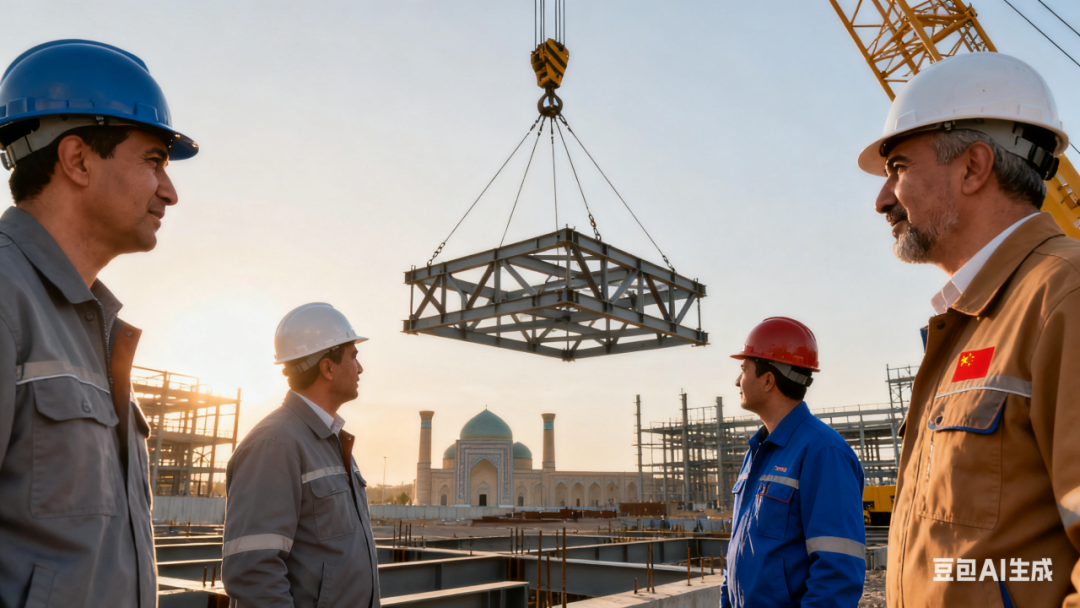
在外交关系与政治互信不断加深的同时,双方在经贸、投资、交通、通信、能源和非资源领域也有丰硕的合作成果。自2016年起,中国便是乌第一大贸易伙伴,近年来更是成为乌第一大进口来源国和第二大出口对象国。据中国商务部统计,2023年,中国对乌兹别克斯坦直接投资流量3.2亿美元;至2023年末,中国对乌兹别克斯坦直接投资存量24.7亿美元。截至2024年9月,在乌兹别克斯坦注册的中资企业有2982家,在乌主要从事油气勘探开发、天然气管道建设和运营、煤矿、电站、泵站、公路和化工厂建设、铁路电气化与电信网改造、汽车组装、纺织、农业、皮革及陶瓷等业务。随着“一带一路“宏伟构想的稳步推进,中吉乌铁路的开工建设,中乌两国将迎来更宽广的合作前景。

图片来源于豆包AI
2.2
中资企业在乌典型案例与风险防范措施
2.2.1 主要风险
乌营商环境整体向好,但仍处于改革初期,市场经济发育不健全,政策缺乏连贯性、透明性、可预见性。国际化、法制化、市场化水平仍有待提升,中资企业在乌开展投资合作仍面临诸多困难和挑战。
(1) 政策和人事调整频繁,“买方市场”主导特点明显。随着乌改革不断深入,中央和地方政府官员调整频繁,一定程度上影响了政策制度执行的连贯性,对外合作条块化分割现象突出。合作过程中过于强调己方需求,忽略合作方感受。
(2) 法律体系缺乏确定性。长期以来,乌形成了以基本法为基础,辅以总统令、政府文件进行补充的法律体系。在实际执行过程中,经常会出台总统令、政府文件对现行法律进行补充说明,使得法律的修改和变动在程序上比较随意。这种零敲碎打式的“打补丁”思路,使得乌法律体系变得复杂繁琐,缺乏稳定和系统性,法律之间相互抵触,新令推翻旧令的情况屡见不鲜。造成的后果是,政府能够随即取消原有外商投资优惠政策,或者以总统令、政府文件的形式进行解读,不但使得本国法律所固有的强制性降低,也使得对政策解读没有统一标准,增加了企业不必要的投资成本。
(3) 行政干预较多,执法主观性强。乌仍处于向市场经济过渡阶段,计划经济色彩依旧浓重,常有行政干预,相关部门自由裁量权较大,执法主观性较强,各地方对优惠政策解读和执行尺度不一,造成政策落实不到位。近年来,中资企业因税务政策调整问题对乌税务部门起诉大幅增加,虽有胜诉,但给中企正常经营带来很大困扰。
(4) 中企之间同质竞争严重。近年来,随着中乌关系提质升级,两国经贸合作不断深化,来乌考察交流、开展经贸投资合作的中资企业大幅增加。乌市场体量相对较小,消纳能力有限,招商引资“急功近利”,个别领域和行业项目集中落地现象突出,热门行业趋于饱和,同质化竞争等风险较高。
图片来源于豆包AI
2.2.2 典型案例
2.2.2.1 反垄断与不正当竞争处罚
2024年8月,乌兹别克斯坦竞争发展与消费者权益保护委员会对上峰友谊桥水泥厂以49亿苏姆(约合人民币275万元)的罚款。上峰友谊桥水泥厂原系海螺水泥与上峰水泥共同出资建立,其中海螺水泥持股51%,上峰水泥持股29%。乌兹别克斯坦相关法律法规要求水泥等高流动性和垄断性产品必须通过当地交易所进行销售。上峰友谊桥水泥厂违反该规定,直接与买家签订买卖合同进行水泥销售。因其销售价格高于交易所平均价格,上峰水泥厂获取8110万苏姆的非法利润。后乌竞争发展与消费者权益保护委员会对上峰水泥厂进行调查,向上峰发出配合调查的请求。但上峰水泥厂并未及时回复,亦未提供相关信息。除消费者权益保护委员会外,乌兹别克斯坦税务部门也注意到上峰水泥厂通过直接合同销售高流动性和垄断性产品,可能带来增值税与所得税上的后果,并以此对上峰水泥厂展开进一步审查。由此可见乌兹别克斯坦当局对于税务合规的重视程度。
2.2.2.2 商业欺诈风险与司法腐败风险
2011年,我国新疆个体经营者与乌兹别克斯坦公民阿赫罗尔成立中乌PANA合资有限公司。2011年2月、3月,PANA公司两次找到重庆肯裕公司寻求合作。后后双方签订协议,肯裕公司将PANA公司生产车间承包下来开展摩托车散件组装。2011年10月,当重庆肯裕公司将摩托车配件运抵锡尔河州海关时,PANA公司股东阿赫罗尔却将肯裕公司法人代表王燕和中国工人驱赶,欲将摩托车配件及安装设备据为己有。肯裕公司以诈骗罪将PANA公司告至锡尔河州法庭,但由于法官被阿赫罗尔买通,法院判决肯裕公司败诉。肯裕公司已将此案上诉至乌高级法院,拟于2012年4月9日开庭。从目前公开的资料中无法查到此案的审理结果,不排除开庭前双方达成和解的可能。但此案无疑揭示了中企在乌开展投资与合作所面临的各种风险。
图片来源于豆包AI
2.2.2.3 恶意诉讼
2025年初中国外贸企业在乌兹别克斯坦遭遇一系列恶意诉讼,波及58家中国企业。仅在1月和2月,乌地方法院就受理了65件该类型诉讼。这类案件的作案手法具有高度相似性,通常由乌兹别克斯坦公司利用中国外贸企业为便利其开展业务而提供的空白盖章文件,串通第三方付款公司,以伪造银行付款流水单和伪造买卖合同向乌当地法院提起诉讼,要求“未按约定发货”的中国企业“退还货款”并支付高额惩罚金。在此风波中有五分之一的中国企业来自浙江。浙江省贸易促进会发函至中国驻乌大使馆寻求协助,并致信乌兹别克斯坦驻华大使馆希望其关注、介入相关问题。中国驻乌大使馆经济商务处发布风险预警,组织专业研讨会、协商会,协调在地资源提供专业法律意见。在多方努力和支持下,涉事中国企业大受鼓舞、积极应诉。多家企业最终胜诉,避免了损失,成功遏制住了这股来势汹汹的恶意诉讼势头。
2.2.3 防范措施
(1)深入研究乌投资经营环境,做好风险评估。对乌开展合作前,企业要详细了解乌政治环境、法律法规、经济社会状况和民风民俗。对进入的领域进行深入调研,实地了解相关行业发展现状、市场需求、发展前景、引资政策等信息,扎实做好投资经营风险评估。与中亚其他国家相比,乌对中国文化了解程度更深、对中方政策吃得更透,对中企心理摸得更清,出手“稳、准、狠”,中企来乌后很难占据主动地位,被乌方“牵着鼻子走”的现象时有发生。对此,中企要深入了解乌方习惯特点,将基础性调研做扎实,多掌握情况,在对乌合作中自觉维护市场经营秩序和中企形象,从大局出发参与对乌合作,在讲诚信的同时要针对乌方特点施策,做到有的放矢、知己知彼,切勿盲目进入。
(2)做到文来文往,勿轻信对方空口承诺。乌处于改革初期,政策调整和人员变动频繁,很多许诺的优惠政策难以落实落地,“新官不理旧账”现象普遍。对此,在与乌方谈判过程中,要和对方讲明中方立场,将情况说明白讲透彻,不做模棱两可的表态,使对方产生误解;要将一切落实到协议和合同中,做到文来文往,切勿轻信空口承诺。在商谈合同文本时,将所有谈判内容落实在合同中,同时仔细推敲文本,做到每项条款表达准确,责任分明,不留尾巴,避免在后期交涉中陷入被动。
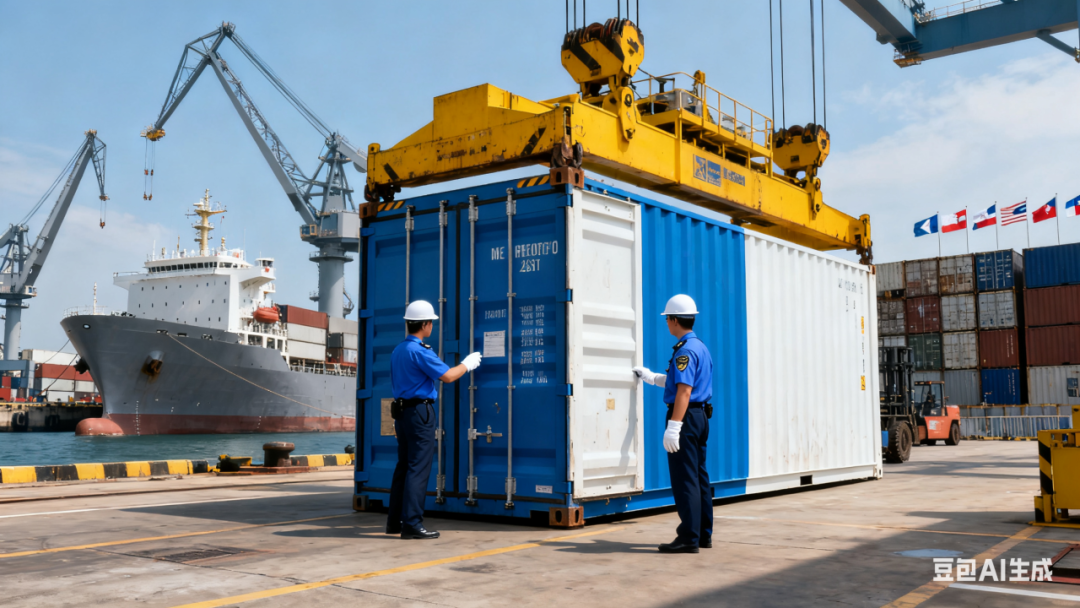
(3)注重外派人员的商务谈判能力,按国际惯例操作,勿承担不应承担的风险。企业要选派有经验的人员从事管理工作,打造可靠境外团队,在与乌方合作过程中要选择可靠合作伙伴,根据投资比例争取合资企业经营管理权,切忌过分退让;在承包国际工程时,按国际惯例操作,切勿承担不应承担的风险,进而扰乱当地国际工程承包市场,对中方整体利益造成损害。
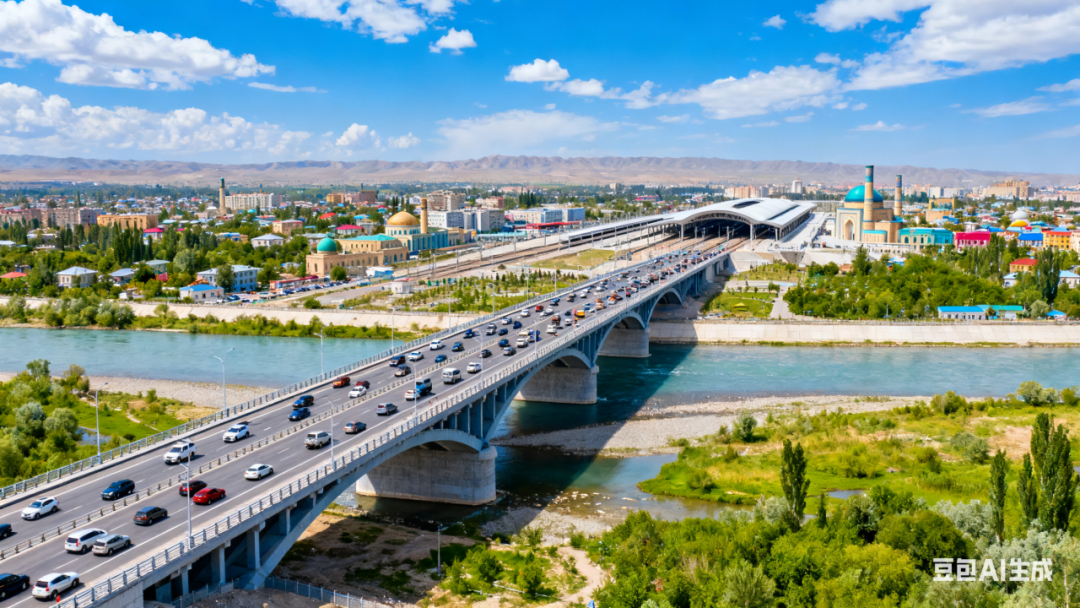
图片来源于豆包AI
(4)以市场为导向,合法合规经营。乌政府决策相对规范,一般是集体决策,决策部门召集相关部门了解情况,集体研究讨论后上报方案,最终以总统令或政府令的形式决议。建议中企遵循市场化原则,严格遵守国内相关规定和驻在国法律法规,树立规矩和纪律意识,切勿有“走捷径”“赚快钱”的想法,要脚踏实地,在乌市场深耕细作。同时,中方事务要按照中国政府的规矩和程序在中方内部解决,不要通过外方施压和说服中方,达到私利。
(5)加强与其他中企的横向联系,有序进入,共同维护好驻在国市场。不扎堆进入某一行业、某一领域,低价竞销。自觉维护驻在国市场秩序,维护中资企业共同利益,与同行和睦相处,有序竞争。
(6)采取法律手段保护自身权益。如企业和人员遇到不公正待遇时,应携带证据咨询法律部门,寻求帮助,并在律师的帮助下,上诉法庭。近年来,一些国内律所陆续在乌开设机构或与当地律师事务所建立合作关系,需要法律咨询和寻求法律保护的中资企业可联系上述律所或通过其需求当地律所帮助。
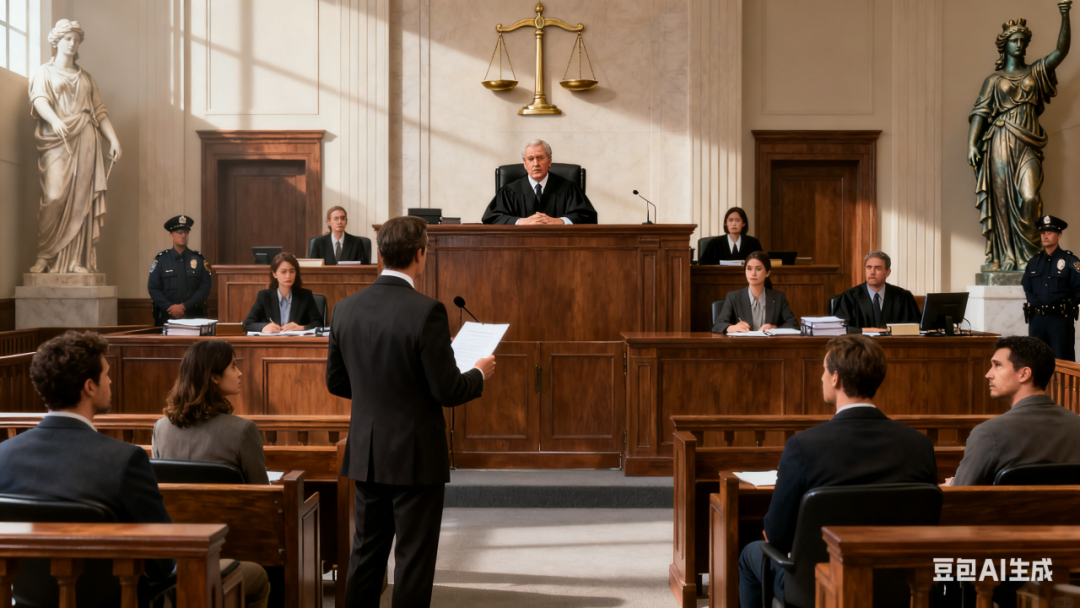
图片来源于豆包AI
(7)乌兹别克斯坦主管外商投资合作的部门是投资、工业和贸易部。中国企业在日常经营活动中,应与当地主管部门和与企业经营有关的管理机构保持联系沟通,及时汇报企业经营状况和遇到的问题,取得当地政府部门的支持。目前,乌兹别克斯坦已注册成立乌兹别克斯坦中国企业商会。该商会是唯一的在乌兹别克斯坦成立并在中国商务部备案的中资企业商(协)会组织。商会内设海外综合服务部、法律法务咨询服务部、金融服务部、综合办公室、宣传部、财务部等机构。有关经营问题可向该商会寻求支持,亦可按商会章程规定流程加入该商会。
(8)①中国驻乌兹别克斯坦使馆领侨处可提供以下服务:保护本国公民及法人的正当权益;颁发护照和签证;担任民事登记员和公证人;处理有关本国公民遗产事务等。
中国驻乌兹别克斯坦使馆每年还定期举办“使馆同中国公民和企业联络协调机制会议”,介绍驻在国最新形势动态,了解各地形势,驻乌使馆经商处会在会上介绍中乌最新经贸合作形势、乌社会经济发展情况、在乌投资经营需注意的问题等,欢迎广大中国公民和企业家参加。
使馆网址:uz.chineseembassy.org
24小时领事保护热线电话:00998-93-5018574
②中国驻乌兹别克斯坦大使馆经济商务处可提供以下服务:为企业提供乌兹别克斯坦经济发展状况、外贸动态、商务信息等咨询服务;跟踪管理中资企业在乌兹别克斯坦经营情况,负责中乌经贸合作,管理规范市场。
Uzbekistan Investment Guide – Political Environment
Introduction
With the continued advancement of the Belt and Road Initiative, Central Asia has increasingly emerged as a pivotal hub connecting Europe and Asia, underscoring its growing investment value and cooperation potential. As a core economy in the region, Uzbekistan has, in recent years, implemented a series of reforms—including currency liberalization, streamlined foreign investment approvals, and improvements to the overall business climate—that have gradually positioned the country as a focal point for international capital. In particular, the urgent demand for upgraded transport networks, modernized energy infrastructure, and expanded urban development has created significant market opportunities and avenues for cooperation for foreign investors in the infrastructure sector.
To precisely address the legal service needs of enterprises investing in Uzbekistan's infrastructure sector, and to help clients effectively mitigate legal risks and clarify compliance pathways, Hubei Wisdom Law Firm has conducted in-depth research into Uzbekistan's foreign investment legal system. Integrating local policy directions and practical operational key points in the infrastructure field, we specially present the "Uzbekistan Foreign Investment Guide" series. This series will be published in installments, systematically elucidating core legal issues such as the political environment, foreign investment policies, taxation for foreign enterprises, selection of business entities, labor employment, visas, and industry licensing requirements in Uzbekistan. It aims to provide professional legal reference for enterprises to formulate investment strategies and promote project implementation.
Historical Background Since the Soviet Era and Social Overview
Uzbekistan is located in the heart of Central Asia, bordered by Kazakhstan, Kyrgyzstan, Tajikistan, Turkmenistan, and Afghanistan, making it one of only two double landlocked countries in the world. Today, Uzbekistan covers an area of 449,000 square kilometers, accounting for just 11.2% of Central Asia’s landmass, yet it is home to a population of 37.36 million, representing 46.8% of the region’s total population.
This demographic concentration can be attributed largely to the country’s favorable resource endowment and its possession of the fertile Fergana Valley, known as the “Granary of Central Asia.” For centuries, Uzbekistan has served as the population, economic, cultural, and commercial hub of the region. During the Soviet era, Uzbekistan was the fourth largest economy within the Union, ranking behind only Russia, Ukraine, and Kazakhstan in terms of GDP.
The modern foundations of Uzbekistan’s national identity, territorial boundaries, political institutions, and economic structure were all shaped during the Soviet period, and these legacies continue to exert significant influence on the country to this day.
1.1
The Soviet Period
At the very inception of the Soviet Union, Moscow pursued a hardline policy against pan-Turkic nationalism in Central Asia in order to strengthen recognition of the new state identity and foster unity among the various ethnic groups. During the subsequent political purges, a number of prominent Uzbek communists—including Fayzulla Khojayev, Chairman of the People’s Committee of the Uzbek Soviet Socialist Republic—were executed under fabricated charges of “national separatism.”
Earlier, Moscow had deliberately drawn arbitrary and impractical borders among the five Central Asian republics, disregarding natural geography and cultural-historical conditions, thereby creating structural obstacles to the independent survival of each state. In parallel, large numbers of Central Asians were forcibly relocated to Siberia and the Russian Far East, while ethnic Russians were resettled into Central Asia to fill the demographic gap.
Due to the highly centralized planned economy, Uzbekistan and its neighbors were discouraged from pursuing economic diversification and were instead assigned specialized roles in large-scale agricultural production. Owing to its favorable climatic and irrigation conditions, Uzbekistan was directed to focus almost exclusively on cotton cultivation, resulting in an overly monocultural economy. Cotton production required vast irrigation projects, leading to excessive exploitation of limited water resources. When surface water proved insufficient, groundwater was overdrawn, causing widespread pollution, salinization, and ecological degradation. The country’s largest lake, the Aral Sea, saw its water surface area shrink dramatically.
In 1979, the Soviet invasion of Afghanistan turned Uzbekistan into a frontline staging ground for the war. Anti-Soviet resistance forces and terrorist networks based in Afghanistan began to infiltrate Uzbekistan, destabilizing its social order.
By 1989, decades of accumulated structural problems and social tensions had reached an irreversible point. Mikhail Gorbachev’s radical reforms not only failed to resolve the crisis but instead accelerated the Soviet Union’s disintegration. To restore order, the Communist Party leadership in Moscow intervened decisively, appointing Islam Karimov as First Secretary of the Communist Party of Uzbekistan. Karimov was chosen both for his competence and personal integrity, and also because, being relatively young and unaffiliated with entrenched factions, he was considered easier to control.
Karimov’s early life was marked by hardship: orphaned during the Great Patriotic War, he grew up in an orphanage. Rising through the ranks as a technocrat on the strength of his professional achievements and grassroots reputation, he eventually became Deputy Chairman of the Council of Ministers of Uzbekistan. When the Soviet Union collapsed in 1991, Karimov naturally assumed leadership as the first President of an independent Uzbekistan.
1.2
The Post-Independence Period
under Karimov’s Leadership
During Karimov’s fifteen years in power, the legacy problems left over from the Soviet period were managed to the greatest extent possible, and since independence Uzbekistan has enjoyed one of the more stable political environments among the five Central Asian republics, a stability largely attributable to Karimov’s policies. In matters of ethnicity and religion, Karimov repeatedly demonstrated Muslim piety while at the same time cracking down firmly on any form of Islamic extremism; he also drew a clear line between Uzbekistan and pan-Turkic movements, acknowledging only cultural and linguistic affinities with other Turkic-speaking countries and resolutely avoiding the creation of blocs or alliances in politics, military affairs, or diplomacy. In maintaining political and social order, Karimov introduced legislation restricting the activities of opposition parties, strictly controlled the operations of non-governmental organizations, and relied on the powerful institutions inherited from the Soviet era to suppress instability. For many years Uzbek politics was shaped by two major factions, Samarkand and Tashkent–Fergana. Although Karimov himself came from the Samarkand group, he rose above factional interests and maintained balance between them, which allowed Uzbekistan to remain politically stable for a long period, in sharp contrast to neighboring Tajikistan and Kyrgyzstan, both of which descended into serious internal conflict in the early years of independence.
Economically, unlike many other former Soviet republics, Uzbekistan did not implement “shock therapy” but pursued gradual reforms. As a result, its economic and market order did not undergo the dramatic disruptions or collapse seen in Russia and elsewhere. At the same time, the country faced its own particular challenges. With a large population but a weak industrial base, Uzbekistan could not rely on one or two factories or industries to sustain steady growth. Landlocked deep inside the continent, it was at a natural disadvantage in building an export-oriented economy, and its neighbors’ low level of development meant that the regional market was small and limited, unable to provide a broad enough economic hinterland. Furthermore, the borders drawn during the Soviet period proved restrictive: though Uzbekistan was Central Asia’s agricultural and demographic heartland, the sections of the Amu Darya and Syr Darya rivers within its control accounted for less than ten percent of their total lengths, with the upstream portions controlled by Tajikistan and Kyrgyzstan. Under these adverse conditions, early post-independence Uzbekistan adopted a state-controlled economic system, and the national economy remained reliant on the so-called “four treasures”—gold, cotton, oil, and natural gas. At the same time, as a former Soviet republic, Uzbekistan had relatively high educational attainment and abundant human resources, and every year three to five million Uzbeks went abroad to work, sending back remittances that became a major source of foreign exchange and an important component of the national economy.
In foreign relations, Karimov’s Uzbekistan pursued a relatively cautious policy, avoiding close alignment with any great power, keeping tense relations with its neighbors for much of the time, and showing little interest in participation in international organizations, a stance that reflected the fragile and delicate security environment and geopolitical situation of Central Asia in those years. In its early independence period Uzbekistan was plagued by terrorism and crime. Even during the Soviet era, extremist groups had formed under the banner of resisting national oppression and Russification, and in 1999 extremists carried out six car bomb attacks on government buildings in Tashkent, killing sixteen people and injuring 120. In 2005 the Andijan incident broke out when armed militants attacked a prison in Andijan to release a large number of incarcerated terrorists. Foreign agents embedded in Andijan seized this opportunity to incite a street political movement, and what began as a prison break escalated into a color revolution demanding the president’s resignation. Karimov personally traveled to Andijan to take charge and ordered a heavy-handed suppression, bringing the situation under control within twenty-four hours but leaving 169 people dead.
As Central Asia’s manufacturing hub, Uzbekistan had a high level of urbanization, with large numbers of people moving from the countryside into the cities, and in this period of historic transformation many fell into criminal activity. Uzbekistan thus became a center of organized crime in Central Asia, with criminal groups heavily engaged in drug trafficking. Its direct border with Afghanistan, then the world’s largest producer of narcotics, gave Uzbek criminal syndicates a unique advantage. The government struck hard at these groups, and some of them took the opportunity to submit to official authority, transforming into “white gloves” for the government, helping to suppress rival gangs, seize their industries, and thereby grow stronger themselves. After Karimov’s death in 2016, many criminal organizations re-emerged and resumed their activities.
1.3
The New Era under President Mirziyoyev
In 2016, Islam Karimov, who had ruled Uzbekistan for fifteen years, passed away. Then Prime Minister Shavkat Mirziyoyev, with the backing of the Samarkand faction, successfully assumed the presidency. Times had changed, and old problems demanded new solutions. After taking office, Mirziyoyev adopted a more open and pragmatic foreign policy, actively engaging with neighboring countries where frictions existed and seeking avenues of reconciliation. Within just his first ten months in power, Mirziyoyev visited China twice, Russia twice, and the United States twice, clearly signaling Uzbekistan’s intention to move away from isolation and embrace the wider world.
Domestically, reform and openness became the central themes of Mirziyoyev’s administration. Government institutions underwent streamlining and redundancies were cut, while ministries and agencies were reorganized and optimized. The stereotypical image of rigid and inefficient Soviet-style bureaucracy was, to some extent, alleviated. In order to attract both domestic and foreign investment, new laws and regulations safeguarding property rights and protecting investors’ legal interests were introduced and implemented, aiming to foster a more favorable business climate. Addressing Uzbekistan’s long-standing issues of structural imbalance and regional disparities, the new government also introduced targeted policies. These included encouraging the establishment of industrial production enterprises, leveraging domestic resources to develop import-substitution industries and reduce dependence on imports, lowering reliance on external markets, attracting foreign investment and advanced technologies to improve product quality, technological content, and value-added, enhancing the competitiveness of domestic products, promoting export-oriented production to improve the balance of payments, and supporting the development of small and private enterprises to create jobs and improve livelihoods. Over the past five years, Uzbekistan has achieved an average annual economic growth rate of around 6%.
In September 2023, Uzbekistan issued the Uzbekistan–2030 Strategy, a programmatic document outlining Mirziyoyev’s policy objectives for his third presidential term. Covering five broad areas—human capital, national economy, civil society, justice and rule of law, and national security—the strategy sets out 100 development goals. In the economic sphere, the key objectives are: to double GDP to USD 160 billion by 2030, raising per capita GDP to USD 4,000 and elevating the country into the ranks of upper middle-income economies; to ensure macroeconomic stability, maintaining average annual GDP growth at 6–7% and keeping annual inflation within 5–6%; to fully tap industrial potential by increasing industrial value-added to USD 45 billion and creating 2.5 million high-paying jobs; to enhance investment attractiveness, with the goal of attracting USD 250 billion in investment by 2030, including USD 110 billion in foreign direct investment and USD 40 billion through public-private partnerships; to vigorously develop a green economy by significantly raising the share of renewable energy in power generation to 40%; to further expand export potential by sharply increasing the proportion of high value-added products in exports and doubling total exports to USD 45 billion by 2030; and to advance the market economy by expanding the role of the private sector so that by 2030 its share in the national economy reaches 85%.
Under the guidance of this new strategy, Uzbekistan’s future development is highly anticipated.
Political Environment and Relations with China
2.1
Overview
As noted above, Uzbekistan has long been the most politically stable country in Central Asia. Its leaders, by the time they assume nationwide leadership, already possess extensive experience, and their political thinking and methods are generally mature and steady. Thanks also to the open and inclusive policies of the current leadership, the domestic political structure is stable and the political climate relatively harmonious. In 2023, Uzbekistan amended its Constitution, extending the presidential term from five years back to the original seven years. In the same year, an early election was held in which incumbent President Mirziyoyev won 87 percent of the vote, thus beginning his third term. Also in 2023, Mirziyoyev launched the Uzbekistan–2030 Strategy, laying out the country’s economic development vision for the next seven years. It can therefore be expected that Uzbekistan’s political situation and policy direction will continue to exhibit a high degree of stability, continuity, and predictability.
Since the establishment of diplomatic relations between China and Uzbekistan on 2 January 1992, bilateral ties have steadily advanced, with exchanges reaching ever higher levels. During the latter part of President Karimov’s tenure, Uzbekistan actively expanded engagement with China, and in 2012, during his visit to Beijing, the two sides elevated their relationship to a strategic partnership. In 2015, Karimov attended in China the commemorative events marking the 70th anniversary of the victory in the Chinese People’s War of Resistance against Japanese Aggression and the World Anti-Fascist War. Following the rise to power of President Mirziyoyev in 2016, bilateral relations deepened further. In 2024, President Xi Jinping met with President Mirziyoyev during his state visit to China. The two heads of state jointly announced that China and Uzbekistan had decided to establish a “new-era all-weather comprehensive strategic partnership” and, on this new basis, to promote the building of a China–Uzbekistan community with a shared future. This positioning elevated the bilateral relationship to an unprecedented height, even surpassing the China–Kazakhstan “permanent comprehensive strategic partnership,” and making it unique in Central Asia.
Alongside the strengthening of diplomatic relations and political trust, bilateral cooperation has also yielded fruitful results in trade, investment, transportation, communications, energy, and non-resource sectors. Since 2016, China has been Uzbekistan’s largest trading partner, and in recent years has also become its largest source of imports and its second-largest export market. According to statistics from China’s Ministry of Commerce, in 2023 China’s direct investment flow into Uzbekistan reached USD 320 million, while by the end of 2023 the stock of Chinese direct investment in Uzbekistan stood at USD 2.47 billion. As of September 2024, there were 2,982 Chinese-invested enterprises registered in Uzbekistan, engaged mainly in oil and gas exploration and development, natural gas pipeline construction and operation, coal mining, power stations, pumping stations, highway and chemical plant construction, railway electrification and telecom network upgrading, automobile assembly, textiles, agriculture, leather, and ceramics. With the steady advancement of the Belt and Road Initiative and the commencement of the China–Kyrgyzstan–Uzbekistan railway project, the two countries are poised to embrace even broader prospects for cooperation.
2.2
Typical Cases and Risk Prevention Measures for Chinese Enterprises in Uzbekistan
2.2.1 Main Risks
Although Uzbekistan’s overall business environment has improved, the country remains in the early stages of reform. Its market economy is underdeveloped, and policies still lack consistency, transparency, and predictability. The levels of internationalization, rule of law, and market orientation require further enhancement. Consequently, Chinese enterprises investing or operating in Uzbekistan continue to face numerous challenges and difficulties.
(1) Policies and personnel adjustments are frequent, and the characteristics of a “buyer’s market” remain prominent. As reforms deepen, reshuffling among central and local government officials occurs frequently, which undermines the continuity of policy implementation to some extent. External cooperation is often fragmented along bureaucratic lines, with negotiations tending to overemphasize the needs of the Uzbek side while overlooking the perspective of the cooperating partner.
(2) The legal system lacks certainty. For a long time, Uzbekistan has relied on a legal framework based on basic laws supplemented by presidential decrees and government resolutions. In practice, presidential decrees and government documents are often introduced to supplement or modify existing laws, making legal changes and amendments procedurally arbitrary. This patchwork “add-on” approach has left the legal system overly complicated and inconsistent, with frequent contradictions between laws and frequent instances of new decrees overturning older ones. As a result, the government is able to abruptly withdraw previously granted foreign investment incentives or reinterpret them through decrees and resolutions. This not only weakens the inherent authority of law but also creates a lack of uniformity in policy interpretation, thereby increasing unnecessary costs for enterprises.
(3) Administrative intervention remains prevalent and law enforcement is highly discretionary. Uzbekistan is still in transition toward a market economy, with lingering features of a planned economy. Administrative interference is common, regulatory authorities exercise wide discretion, and enforcement tends to be subjective. Local authorities vary in their interpretation and implementation of preferential policies, leading to poor consistency in execution. In recent years, lawsuits filed by Chinese enterprises against Uzbekistan’s tax authorities have increased significantly due to tax policy adjustments. Although some plaintiffs have won, the disputes have nevertheless caused considerable disruption to normal operations.
(4) Homogeneous competition among Chinese enterprises is severe. In recent years, as China–Uzbekistan relations have strengthened and bilateral economic cooperation has deepened, the number of Chinese companies conducting visits, exchanges, and investment projects in Uzbekistan has increased sharply. However, given the relatively limited size and absorptive capacity of Uzbekistan’s market, investment attraction efforts tend to be short-sighted. In some sectors, multiple projects have been concentrated within the same field, leading to saturated markets in certain popular industries and heightened risks of homogenized competition.
2.2.2 Typical Cases
2.2.2.1 Antitrust and Unfair Competition Penalty
In August 2024, the Competition Development and Consumer Protection Committee of Uzbekistan imposed a fine of 4.9 billion soum (approximately RMB 2.75 million) on Shangfeng Youyiqiao Cement Plant. The plant had originally been established with joint investment by Conch Cement (holding 51%) and Shangfeng Cement (holding 29%). Under Uzbek law, products with high liquidity and monopolistic characteristics, such as cement, must be sold through the local commodity exchange. Shangfeng Youyiqiao Cement Plant violated this requirement by entering into direct contracts with buyers for cement sales. Since its selling price was higher than the average price on the exchange, the company obtained illegal profits of 81.1 million soum. The Committee subsequently launched an investigation and requested Shangfeng to cooperate, but the company failed to respond in a timely manner and did not provide the required information. In addition to the Competition Committee, the Uzbek tax authorities also noted that the direct sale of such high-liquidity and monopolistic products could have consequences for VAT and corporate income tax, and thus initiated further scrutiny of the company. This case illustrates the seriousness with which Uzbek authorities regard tax compliance.
2.2.2.2 Risks of Commercial Fraud and Judicial Corruption
In 2011, a private entrepreneur from Xinjiang, China, together with an Uzbek citizen named Akhror, established the Sino-Uzbek joint venture PANA Co., Ltd. In February and March of 2011, PANA twice approached Chongqing Kenyu Company seeking cooperation. The two sides subsequently signed an agreement under which Kenyu would lease PANA’s workshop facilities to assemble motorcycle parts. In October 2011, when Kenyu shipped motorcycle components to the customs office in Syrdarya region, PANA’s shareholder Akhror expelled Kenyu’s legal representative Wang Yan and Chinese workers, attempting to seize the motorcycle parts and assembly equipment for himself. Kenyu filed a fraud lawsuit against PANA in the Syrdarya regional court, but the presiding judge, having been bribed by Akhror, ruled against Kenyu. The company appealed to Uzbekistan’s Supreme Court, with a hearing scheduled for April 9, 2012. Public sources have not revealed the final outcome of the case, and it is possible that the parties reached a settlement before the hearing. Nonetheless, the case vividly illustrates the range of risks Chinese enterprises may encounter when investing and operating in Uzbekistan.
2.2.2.3 Malicious Litigation
At the beginning of 2025, a series of malicious lawsuits in Uzbekistan targeted Chinese foreign trade enterprises, involving 58 Chinese companies in total. In just January and February alone, local courts in Uzbekistan accepted 65 such cases. The modus operandi of these cases was strikingly similar: Uzbek companies exploited blank, pre-stamped documents provided by Chinese exporters for business convenience, colluded with third-party payment firms, and fabricated bank transfer slips and sales contracts in order to bring lawsuits before local courts. These suits alleged that the Chinese companies had “failed to deliver goods as agreed,” demanding repayment of the purchase price along with substantial punitive damages. Among the affected businesses, one-fifth were from Zhejiang Province.
The Zhejiang Council for the Promotion of International Trade issued a formal letter to the Chinese Embassy in Uzbekistan seeking assistance, and also wrote to the Uzbek Embassy in China urging it to take note of and intervene in the matter. The Economic and Commercial Section of the Chinese Embassy in Uzbekistan subsequently issued a risk alert, organized expert seminars and coordination meetings, and mobilized local resources to provide professional legal advice. With concerted efforts and support, the Chinese enterprises involved were greatly encouraged and actively defended themselves in court. Many companies ultimately prevailed in litigation, avoided financial losses, and successfully stemmed the surge of malicious lawsuits.
2.2.3 Preventive Measures
(1) Chinese enterprises should conduct in-depth research into Uzbekistan’s investment and business environment and carry out thorough risk assessments. Before engaging in cooperation in Uzbekistan, companies must gain a detailed understanding of the political environment, laws and regulations, socio-economic conditions, and local customs. They should conduct in-depth studies of the sectors they plan to enter, including on-site assessments of industry development, market demand, future prospects, and investment policies, so as to build a solid foundation for risk evaluation. Compared with other Central Asian countries, Uzbekistan has a deeper understanding of Chinese culture, policies, and the business mindset of Chinese enterprises, often negotiating with precision and skill. As a result, Chinese companies may find it difficult to gain the upper hand and can easily be “led by the nose.” To avoid this, companies must study Uzbek habits and practices in detail, prepare thoroughly, and proactively safeguard market order and their own image, entering into cooperation from a strategic and long-term perspective. While adhering to principles of integrity, they must also tailor their strategies to local realities, ensuring a targeted and well-informed approach rather than entering blindly.
(2) All agreements must be formally documented, and companies must not place trust in oral commitments. Uzbekistan remains at an early stage of reform, with frequent policy changes and personnel reshuffles, and many promised preferential policies may not materialize, with “new officials ignoring old commitments” a common occurrence. Therefore, during negotiations with Uzbek partners, Chinese enterprises should clearly explain their positions, provide thorough clarification, and avoid ambiguous statements that might cause misunderstanding. All agreements must be incorporated into written contracts, with careful drafting to ensure accuracy of terms, clear allocation of responsibilities, and no omissions, so as to avoid being placed in a passive position later.
(3) Attention should also be paid to the business negotiation capabilities of expatriate staff. Companies should appoint experienced personnel to management positions, establish reliable local teams, and carefully select trustworthy local partners. They should secure management rights in joint ventures proportionate to their investment share and avoid excessive concessions. In undertaking international engineering projects, companies must operate in line with international practices and avoid assuming risks that should not be borne, as such actions would disrupt the market for international contracting in Uzbekistan and damage the overall interests of Chinese enterprises.
(4) Enterprises should adopt a market-oriented approach and operate legally and in full compliance. Decision-making in Uzbekistan tends to be relatively standardized, usually involving collective discussions among departments before being submitted for approval and finalized through presidential or government decrees. Chinese enterprises are advised to follow market principles, strictly comply with both Chinese regulations and Uzbek laws, and cultivate discipline and compliance awareness. They must avoid any mindset of “shortcut-taking” or “quick profit” and instead commit to long-term, steady operations in the Uzbek market. Matters relating to internal Chinese affairs should be resolved through Chinese government procedures rather than by relying on external parties to exert pressure in pursuit of private interests.
(5) Chinese companies should strengthen horizontal communication with each other, enter the market in an orderly manner, and jointly maintain healthy market conditions. They should avoid clustering in one industry or sector, refrain from destructive price competition, and instead uphold fair competition and mutual support, preserving the common interests of Chinese enterprises in Uzbekistan.
(6) Where enterprises or personnel encounter unfair treatment, they should collect and preserve evidence, seek legal consultation, and pursue remedies with the assistance of lawyers. In recent years, some Chinese law firms have established branches in Uzbekistan or entered into partnerships with local firms. Enterprises needing legal advice or protection may approach these law firms or seek support through local partners.
(7) The competent authority overseeing foreign investment cooperation in Uzbekistan is the Ministry of Investment, Industry, and Trade. Chinese enterprises should maintain close communication with this ministry and other relevant authorities, regularly reporting on business operations and difficulties, in order to secure government support. Uzbekistan has also officially registered the China Chamber of Commerce in Uzbekistan, the only chamber of commerce for Chinese enterprises in Uzbekistan that is both established locally and filed with the Ministry of Commerce of China. The Chamber has departments covering comprehensive overseas services, legal consulting, financial services, administration, publicity, and finance. Enterprises facing operational difficulties may seek support from the Chamber or apply for membership in accordance with its charter.
(8) ① The Consular Section of the Chinese Embassy in Uzbekistan provides services including the protection of the lawful rights and interests of Chinese citizens and legal entities, the issuance of passports and visas, civil registration and notarial services, and handling inheritance matters of Chinese nationals. The Embassy also holds an annual “Coordination Meeting with Chinese Citizens and Enterprises,” during which it presents updates on the host country’s situation, and the Economic and Commercial Section briefs attendees on the latest bilateral economic and trade cooperation, Uzbekistan’s socio-economic development, and issues to watch in investment and business operations. Chinese citizens and entrepreneurs are encouraged to participate.
Embassy website: uz.chineseembassy.org
24-hour consular protection hotline: +998-93-5018574
② The Economic and Commercial Section of the Chinese Embassy in Uzbekistan provides consulting services on Uzbekistan’s economic development, foreign trade trends, and business opportunities. It also monitors the operations of Chinese enterprises in Uzbekistan, coordinates bilateral economic and trade cooperation, and oversees market regulation.
律师简介
喻冰清律师
简介
• 维思德律师事务所涉外法律事务部部长
• 美国加州大学戴维斯分校法学硕士
• 美国纽约州执业律师(No. 5774567)
• 工业与信息化部认证数据安全师
经验
• 喻冰清专注于为企业出海提供一站式的法律服务。其对于企业出海北美、欧洲、东南亚、中东、日本等地具有丰富的法律实操经验,擅长互联网泛娱乐业、跨境电商、供应链仓储物流、医疗器械、建材、零部件、化妆品、服装、餐饮等多个行业的出海合规法律服务,为客户境内外战略发展、合规、争议纠纷等复杂法律问题提供切实可行的解决方案。

毛迈律师
简介
• 维思德(深圳)律师事务所律师
• 北京大学 文学学士学位
经验
• 后赴美国纽约深造,经三年学习,获法律博士学位(J.D.),通过美国纽约州法律职业资格考试。在美期间专修公司法、商法、证券法、破产法、信托法,并能熟练运用美国法律数据库进行法律研究。学习期间在北京某顶级律师事务所实习。回国后顺利通过国家法律职业资格考试。
梁思瑾律师
简介
• 维思德(深圳)律师事务所律师
• 伦敦国王学院,获国际商法法学硕士学位
经验
• 在伦敦求学期间,主要研习课程包括企业融资的法律问题、企业并购与收购、公司治理等核心领域。具备扎实的法律专业功底与出色的英语应用能力,能够熟练处理公司法领域各类法律事务、提供专业企业法律顾问服务,并可高效应对与公司法、日常经营相关的涉外法律问题。
• 主要业务领域涵盖:民商事争议解决、公司法、涉外法律服务等。
撰稿|毛 迈
梁思瑾
协作|喻冰清
校对|喻冰清
李 丹
排版|刘晨卉
审核|丁 静
冯颖琼